






Low or zero carbon technologies LZC
The Home Quality Mark One, Technical Manual SD239, England, Scotland & Wales, published by BRE in 2018 suggests that low or zero carbon technologies (LZCT) provide:
‘… a source of energy generation from renewable energy sources or from a low carbon source such as combined heat and power (CHP) or a ground source heat pump (GSHP).’
A near-site LZCT is:
‘A low or zero carbon source of energy generation located near to the site of the assessed building. The source is most likely to be providing energy for all or part of a local community of buildings, including the assessed building, for example decentralised energy generation linked to a community heat network or renewable electricity sources connected via private wire.’
On-site LZCT is:
‘A low or zero carbon source of energy generation which is located on the same site as the assessed building.’
[edit] Related articles on Designing Buildings Wiki
- A zero-carbon UK by 2050?
- BRE articles.
- BREEAM.
- Building Research Establishment.
- Carbon footprint.
- Carbon negative.
- Carbon neutral.
- Carbon ratings for buildings.
- Gas Goes Green.
- Home quality mark.
- Nearly zero-energy building.
- Net zero carbon 2050.
- Net zero carbon buildings.
- Organisations prompt government to Build Back Green.
- Renewable energy.
- Transform to Net Zero.
- What does net-zero emissions by 2050 mean for the infrastructure sector?
- What we need for the journey to net-zero carbon emissions.
- Wood and carbon.
Featured articles
Check out some of the best features and news from Designing Buildings as well as key stories from around the web.
Building Regulations and Building Safety Act

CIOB publishes free advice for non-domestic clients.

Building Safety Newsletter from MHCLG.
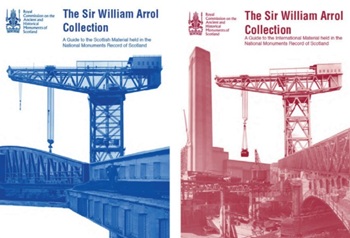
An extraordinary record of steel engineering worldwide.
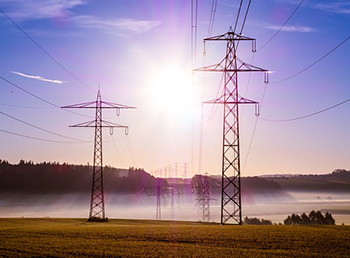
Households living near new pylons to save on bills.

ECA warns growth must not outpace grid capacity or skills.
The role of the client and decision making

CIOB response to built environment professions call for evidence.
Construction's sustainability reporting revolution
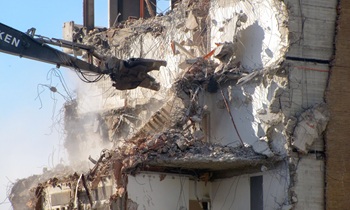
Tracking upfront embodied carbon with digital tools.
ECA welcomes procurement reforms

Public spending must back British jobs and skills.
Campaigning for Edinburgh: the Cockburn Association 1875-2049

The role of the civic voice in protecting character. Book review.

CIOB photography competition is open for entries.
ECA Edmundson apprentice of the year award
Finalists announced.
Major new study exposes serious knowledge gaps.